
Telecom Operators Push for Policy Changes to Transition Pakistan to a Cashless Economy
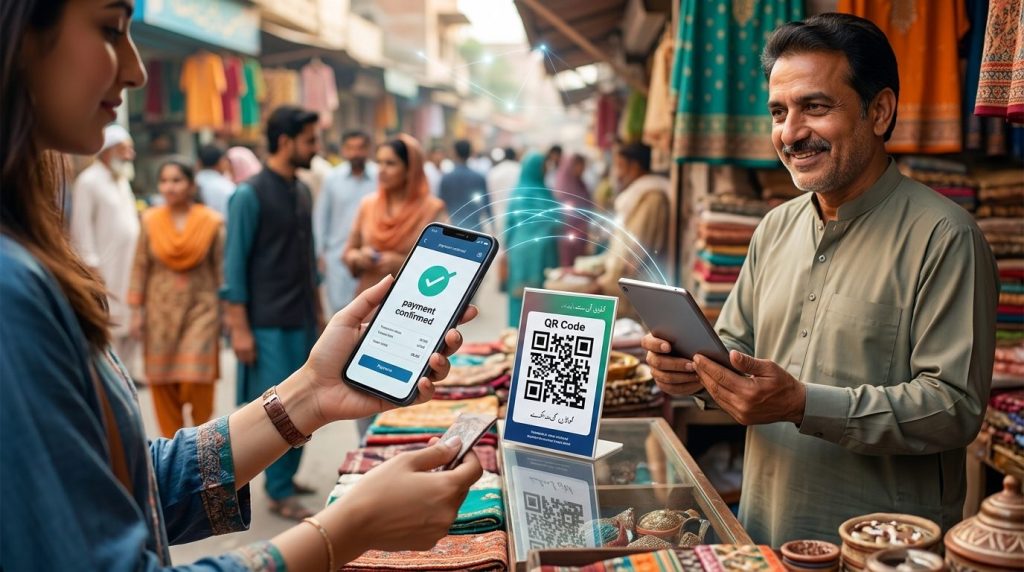
ISLAMABAD: The Telecom Operators’ Association (TOA) has urged the government to actively intervene and accelerate Pakistan’s transition towards a cashless economy, drawing inspiration from the remarkable strides made by neighboring countries India and China. The TOA believes leveraging technology is key to driving economic growth and development.
Advocating for Digital Financial Inclusion
On Friday, TOA Chairman Aamir Ibrahim emphasized the need for Pakistan to embrace growing digitization and the widespread availability of telecom services to enhance financial inclusion and document the economy. Speaking to the media, Ibrahim, who also heads Jazz and Mobilink Microfinance Bank, highlighted the importance of integrating smartphones, SIMs, digital wallets, or bank accounts with the National Database and Registration Authority (NADRA) services to ensure universal access.
Comprehensive Strategy to Go Cashless
The TOA has submitted a detailed strategy to the government aimed at accelerating the shift towards a cashless society. This strategy includes the establishment of a dedicated forum for cross-industry collaboration to monitor cashless economy initiatives, recommend policies, and address challenges. The association also advocates for reduced taxes to encourage digital payments over cash transactions, suggesting a pilot project in Islamabad to kickstart this initiative.
Role of Key Institutions
The TOA’s proposals emphasize the importance of supportive policies driven by key institutions like the State Bank of Pakistan, the Pakistan Telecommunication Authority, and the Securities and Exchange Commission of Pakistan. These institutions play a crucial role in promoting digital and financial inclusion.
Policy Changes for E-commerce
The association has recommended changes in e-commerce policy to discourage cash-on-delivery transactions. One such suggestion includes imposing a cap of Rs 3,000 on cash payments for basic commodities. This measure aims to encourage more digital transactions and reduce dependency on cash.
Government Leading by Example
According to Mr. Ibrahim, government institutions should spearhead the transition towards a cashless economy. He specifically mentioned that entities like the Utility Stores Corporation, the Central Directorate of National Savings, and Pakistan Post should prioritize digital payments and phase out cash transactions. Additionally, the TOA has proposed expanding the number of retail stores accepting digital payments to three million by 2030.
The TOA’s comprehensive approach underscores the potential benefits of a cashless society, including unlocking a nation’s full potential, moving towards a digital economy, and improving tax compliance. As Pakistan looks to match the progress of its regional neighbors, these policy changes and initiatives could be pivotal in driving the country’s economic growth and development.