
Apple Urges iPhone Users to Stop Using Chrome: Here’s How Google Responds
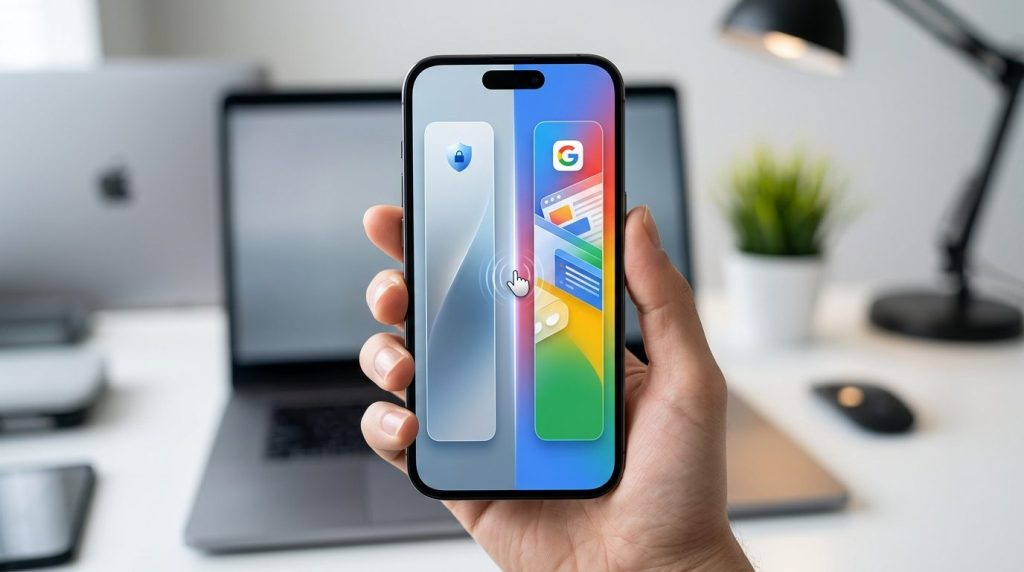
In the ongoing battle of web browsers, Apple has taken a bold step by encouraging iPhone users to ditch Google Chrome in favor of its own browser, Safari. This move has sparked a fresh wave of tension between the tech giants, Apple and Google. But what led to this aggressive stance by Apple, and how has Google responded? Let’s dive into the details.
Apple’s Privacy Push
Apple recently released a provocative advertisement highlighting the privacy shortcomings of Google Chrome. The ad doesn’t explicitly tell users to stop using Chrome, but it takes a direct shot at the browser for its extensive use of tracking cookies. Apple claims that Safari is “a browser that’s actually private,” aiming to lure users away from Chrome.
Currently, about 30% of iPhone users have set Chrome as their default browser. According to a report from The Information, Google aims to increase this number to 50%. This would mean an additional 300 million iOS devices using Chrome. Apple, wishing to maintain its grip on iPhone browser usage, wants to prevent this from happening.
Key Issues with Chrome
Apple’s ad targets two major privacy concerns associated with using Chrome:
Chrome’s Tracking Cookies
Anyone who has used the internet has likely encountered pop-ups asking if they accept cookies. These are small pieces of data stored on your device by websites to track your online activities. When you dive into Chrome’s privacy settings, you might be shocked by the sheer number of sites tracking you. According to Google’s Privacy Sandbox report, these tracking cookies will be around until at least 2025.
Incognito Mode Isn’t Really Private
Google promotes its Incognito Mode as a way to browse the web privately. However, a $5 billion class-action lawsuit revealed that this mode isn’t as private as users might think. Google had to admit that Incognito Mode does not completely shield user activity from being tracked.
In contrast, Safari tackles these issues head-on by preventing cross-site tracking by default and hiding your IP address if you have an iCloud+ account. These features make Safari a more appealing option for privacy-conscious users.
Google’s Response
We reached out to Google for their take on Apple’s latest ad campaign. While the response didn’t directly address the issues raised by Apple, a Google spokesperson provided the following statement:
“Chrome is built with the goal of keeping your data safe by default and ensuring users can control when and how their data is used in Chrome to personalize their web browsing experience. We believe users should always be in control, which is why we’ve built easy-to-use privacy and security settings directly into Chrome.”
Will Users Switch to Safari?
The browser war on the iPhone is more of Apple’s to lose rather than Google’s to win. Apple is aggressively targeting Chrome’s weak spots, particularly its approach to privacy. This tactic might be effective in swaying new iPhone users or those who were previously unaware of the extent of data tracking in Chrome.
Existing Chrome users might already be aware of the tracking cookies and have come to terms with the associated risks. However, the fear of having their activities extensively tracked might push some to make the switch to Safari.
We will continue to follow this story and reach out to security experts for more insights. Stay tuned for further updates.